
Heating, Ventilation, and Air Conditioning (HVAC) systems are often the unsung heroes of home comfort, yet they remain shrouded in mystery for many homeowners. Understanding the nuances of these systems can significantly impact home energy efficiency and overall comfort. This topic is crucial for homeowners and potential buyers aiming to optimize their living environments and manage energy costs effectively.
Understanding HVAC Components
HVAC systems are composed of several key components, each playing a vital role in maintaining indoor climate control. These include the furnace, air conditioner, heat pump, ductwork, and thermostat. Each component has specific functions:
- Furnace: Responsible for heating the air, often powered by gas, oil, or electricity.
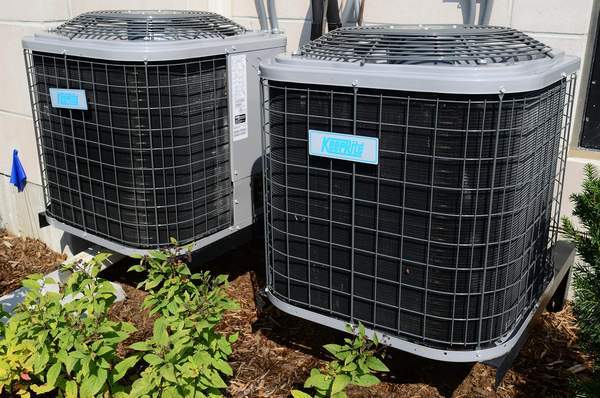
- Air Conditioner: Cools the air and removes humidity, usually situated outside the home.
- Heat Pump: Transfers heat either into or out of the home, depending on the season.
- Ductwork: Distributes heated or cooled air throughout the home.
- Thermostat: Regulates the overall system by controlling temperature settings.
Efficiency Ratings and Energy Savings
Efficiency is a critical factor in determining the performance of an HVAC system. Industry-standard ratings such as Seasonal Energy Efficiency Ratio (SEER) for air conditioners and Annual Fuel Utilization Efficiency (AFUE) for furnaces provide insight into energy consumption. Higher ratings typically indicate more efficient systems:
- Systems with a SEER rating of 14 or higher are considered energy-efficient.
- Furnaces with an AFUE rating of 90% or above provide efficient heating.
Regular maintenance and timely upgrades can further enhance system efficiency. Homeowners should consider annual inspections and replacing filters every 1-3 months to ensure optimal performance.
The Role of Professional Inspections
Professional inspections play a vital role in identifying potential issues before they escalate. Inspectors evaluate the condition of HVAC components, check for leaks in ductwork, and ensure that the system complies with local regulations. Regular inspections can extend the lifespan of HVAC systems, improve energy efficiency, and ensure a healthy indoor environment.
In summary, understanding HVAC systems is essential for optimizing home energy usage and comfort. Regular maintenance, efficiency ratings, and professional inspections are key to unlocking the full potential of these systems. Homeowners and buyers are encouraged to engage professional inspection services to gain deeper insights and maintain optimal performance of their HVAC systems.
Recent Comments